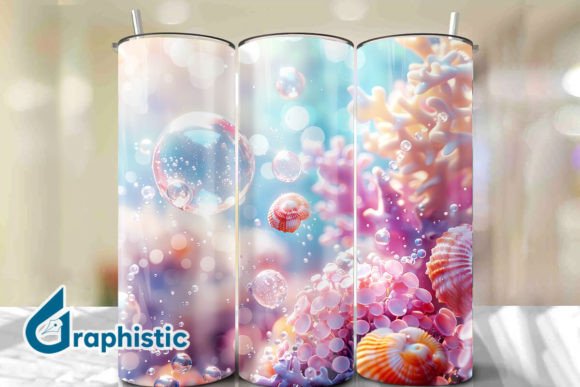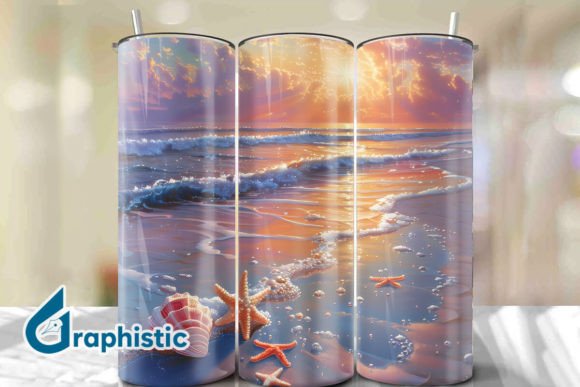
Seashells Sunset Tumbler Wrap 40
A Designer’s First Look: Warm, Coastal, and Ready for Stitching
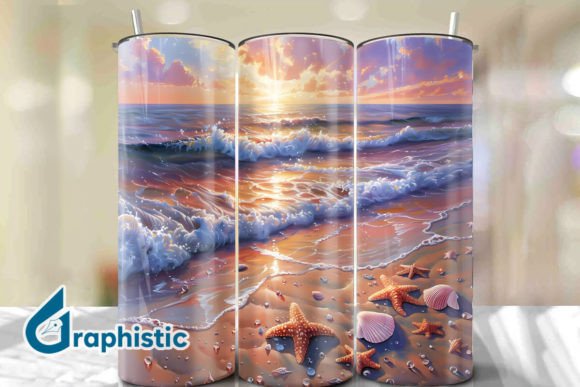
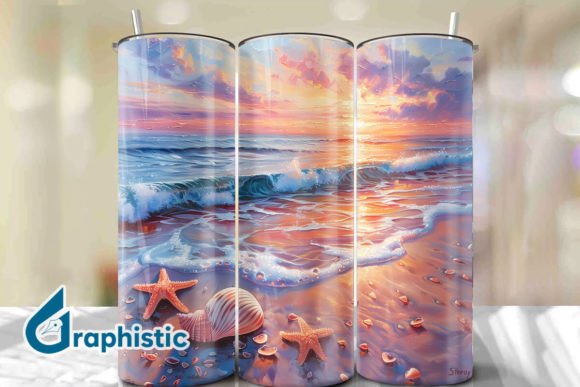
When I opened Seashells Sunset Tumbler Wrap 40, my first thought wasn’t “pretty”—it was “practical.” This isn’t a fussy, over-rendered beach motif. It’s a relaxed, sun-drenched wrap layout with soft curves, gentle shell groupings, and that unmistakable gradient warmth of late afternoon light. As a background design, it leans into flow rather than fuss—no tight corners, no micro-details begging for re-hooping. That tells me right away: this is built for real-world embroidery, not just digital previews.
Where It Shines: Real Projects, Real Customers
Last week, I used Seashells Sunset Tumbler Wrap 40 to embroider a set of linen tea towels for a local boutique. The result? Instant cohesion—each towel felt like part of a thoughtful collection, not a one-off. That’s the quiet power of a well-balanced background design. It works especially well on larger, stable surfaces: tote bag panels, pillow covers, apron pockets, and even the front chest area of lightweight sweatshirts. On baby onesies or nursery pillows, the sunset warmth reads as soothing—not loud or busy—so parents respond positively. For Etsy sellers, it’s a smart asset: pair it with simple monograms or names in clean running stitch, and you’ve got personalized gifts that photograph beautifully and ship flat.
I also tested it as a subtle base for embroidered patches. Because the layout wraps naturally, it frames smaller applique elements without competing—ideal if you’re building layered designs for craft fairs or small shop merchandise. As a graphics file, it holds up in printable mockups too: whether you’re showing clients how it’ll look on a ceramic mug wrap (its namesake use case) or previewing it on a holiday kitchen towel bundle, the proportions and rhythm translate cleanly across formats.
Where to Pause—and Why
This isn’t a design for every surface. On curved areas like baseball caps or structured totes with stiff seams, parts of the wrap can distort unless hooped carefully and stitched with light stabilizer support. On stretchy fabric—think cotton-spandex blends or lightweight knits—test first. The smooth fill areas hold well, but the outer edges may shift slightly if tension isn’t dialed in. And while it’s forgiving on medium-weight fabrics, avoid using Seashells Sunset Tumbler Wrap 40 on ultra-thin voile or delicate silk without backing reinforcement: the fill stitch density (though moderate) still needs something to anchor against puckering.
Dark fabric? Yes—but choose thread colors with intention. A warm gold or coral satin stitch pops beautifully against navy or charcoal, while off-white can disappear. On black, skip pale creams and go bold: burnt sienna, deep coral, or even a matte navy thread keeps the coastal mood grounded. Also note: because it’s a continuous wrap, it doesn’t scale down gracefully below 3.5 inches wide. So don’t force it into tiny hoop sizes—this is a background, not a focal monogram.
What It Adds to Your Finished Product
Customers notice atmosphere before accuracy. Seashells Sunset Tumbler Wrap 40 delivers calm, handmade warmth—not generic clip art energy. That builds trust. When someone buys a custom embroidered tote from your small shop, they’re not just buying canvas; they’re buying intention. This design signals care in curation. It elevates a simple sweatshirt embroidery from “cute” to “cohesive collection piece.” For holiday embroidery or wedding gifts, it adds quiet sophistication—no glitter, no script, just consistent, calming rhythm.
From a branding standpoint, it supports consistency across product lines. Use it on tea towels, then echo its color palette in your packaging ribbon or social media banners. As a digital embroidery file, it’s versatile enough for both personal projects and commercial embroidery—just verify licensing terms before bundling it into digital product kits or reselling as part of a design pack.
Practical Designer Notes Before You Stitch
- Always test on scrap fabric first—especially if pairing with applique or dense satin stitch accents.
- Check thread color contrast early: lay out your top three options on both light and dark fabric swatches before stitching.
- Review stitch density visually—not just numerically. Look for balanced coverage in the shell shapes versus open sky areas.
- Confirm hoop size compatibility. While flexible, this design performs best in 4x4 hoops and up. Avoid cramming it into sub-3-inch frames.
- Inspect small details at 200% zoom: are shell outlines crisp? Do gradient transitions read clearly in stitch form?
- Test in black-and-white mockups. If it loses shape or rhythm without color, adjust placement or simplify surrounding elements.
- Use appropriate stabilizer: tear-away for stable wovens, cut-away for knits or high-wear items like aprons or baby clothes.
- Ask yourself: does this support the product’s purpose? A beach-themed baby blanket? Yes. A tech conference giveaway? Probably not.
Final Thought: Backgrounds That Earn Their Place
Not all background designs earn their space on a finished item. Some compete. Some fade. Seashells Sunset Tumbler Wrap 40 does neither. It settles in—like salt air settling on skin—supporting the main event without disappearing. Whether you’re an Etsy seller launching a summer collection, a craft business owner prepping for holiday markets, or a designer building cohesive embroidery project kits, this is the kind of graphics file that saves time, raises perceived value, and quietly reinforces your brand’s voice. It’s not flashy. It’s functional, warm, and ready to stitch—exactly what a working designer needs.